Heating & Cooling You Can Rely On
Heating and air conditioning services for homes and businesses — from repairs and new installations to routine maintenance.
Our Services
Residential Heating & Cooling
Heating and air conditioning services for homes, including repairs, system installations, and seasonal tune-ups.
Commercial & Industrial
Heating and cooling services for commercial and industrial spaces, including planned maintenance, repairs, and system upgrades.
Maintenance & Tune-Ups
Seasonal tune-ups and preventive maintenance to keep your system running, plus practical tips and updates on our blog.
Why Choose Us
Full-Service HVAC
Heating, cooling, and maintenance covered under one roof.
Residential & Commercial
Comfort solutions for homes, businesses, and industrial spaces.
Straightforward Communication
Clear explanations and honest recommendations for your system.
Maintenance Made Simple
Scheduled tune-ups that help keep your system running smoothly.
Latest from the Blog
-
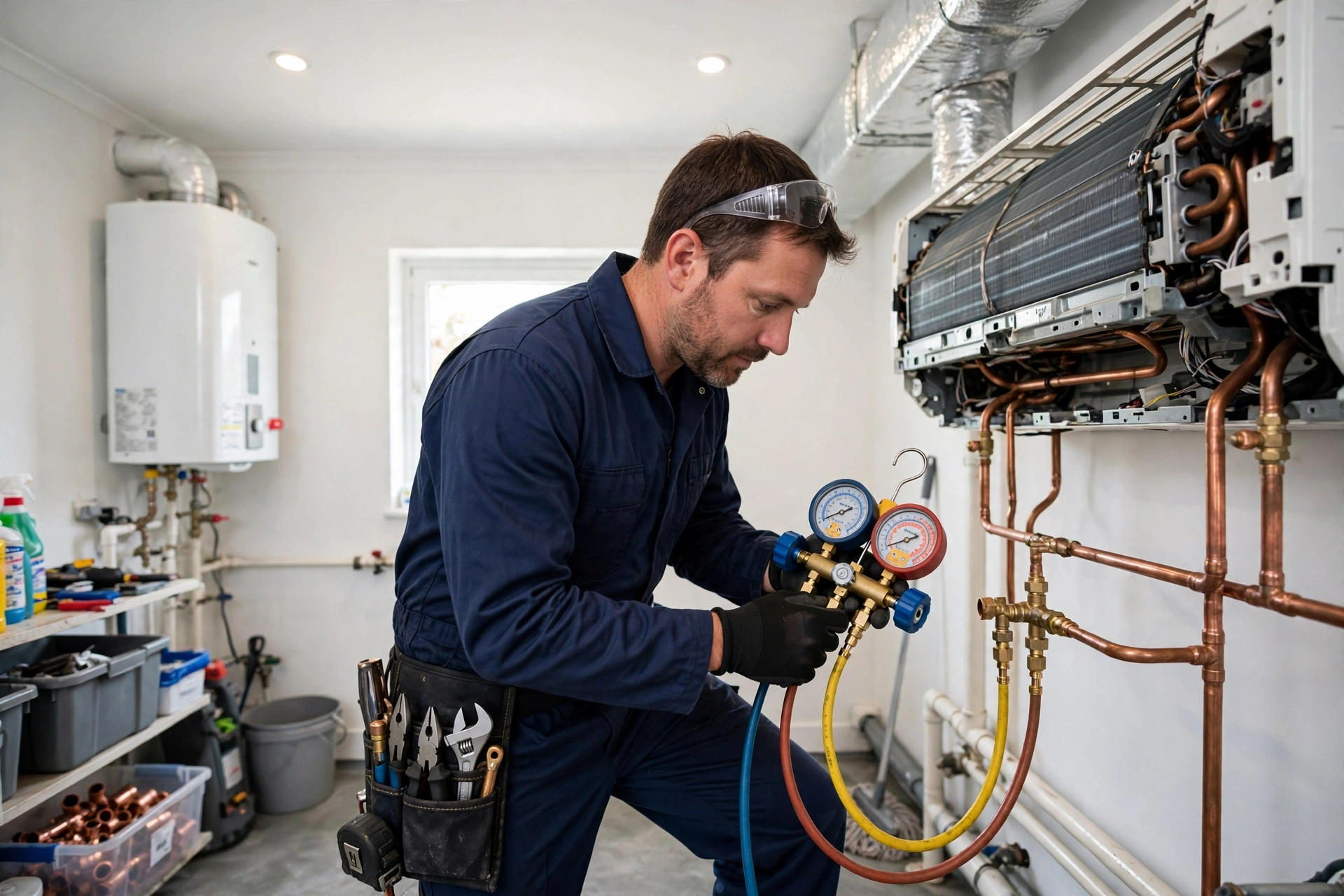
AC Running Constantly But Not Cooling? That Sweet Smell Near Your Vents Explained
Your home air conditioner is running constantly, but the indoor temperature keeps rising, and you notice a faint, sweet chemical smell near the vents. If an AC running constantly but not cooling sounds familiar, you’re dealing with more than just a struggling AC — these are classic warning signs of a refrigerant leak, and it’s…
-
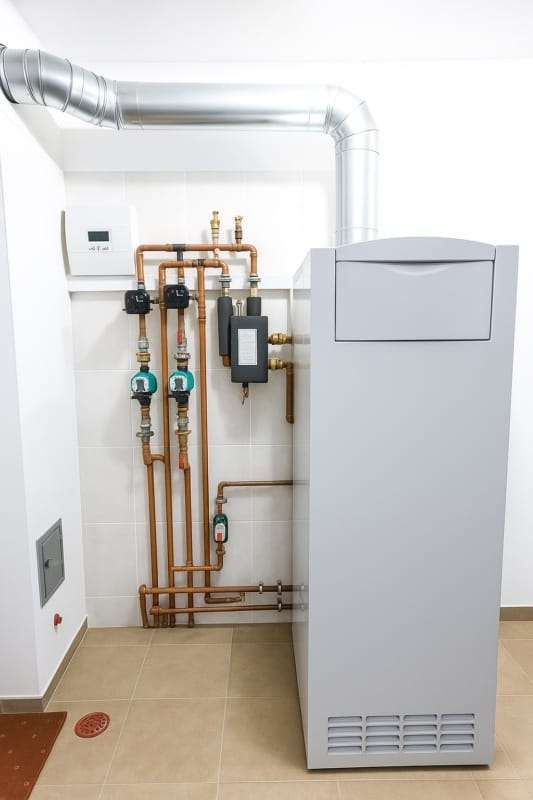
3 Essential Furnace Checks Before Winter (And When to Call a Pro)
Before cold weather settles in, running a few basic checks on your heating system ensures your home stays warm, efficient, and safe. A little pre-winter preparation helps prevent sudden breakdowns on the coldest days of the year. Here are three safe maintenance checks every homeowner should do before turning on the heat for the season,…
Need HVAC service or maintenance?
Get in touch — we’ll help you find the right heating or cooling solution for your home or business.